
Services
TAP® Pest Control Insulation

Highly Recommend!!!Stephen came out after the termite swarming. Did a thorough inspection of the house and took great care of us.
Brief Description
TAP® Pest Control Insulation is a blown-in attic insulation that helps improve comfort, reduce noise, and protect against certain pests. TAP stands for Thermal, Acoustical, and Pest Control.
Stephen Terry Pest Elimination installs TAP® insulation for homeowners who want better attic protection, improved energy efficiency, and a long-term pest control benefit built directly into their insulation.
Signs You May Need New Attic Insulation
You may benefit from TAP® insulation if you notice:
- Uneven temperatures from room to room
- High heating or cooling bills
- An attic with thin, settled, or missing insulation
- Old insulation damaged by rodents, pests, moisture, or contamination
- Scratching, pest activity, or droppings in the attic
- Hot rooms during summer or cold rooms during winter
- Outside noise that seems louder than it should
- A home that has not had attic insulation evaluated in years
If your attic insulation is damaged, thin, or contaminated, it may not be protecting your home the way it should.
Installation Process
Our TAP® insulation process is designed to improve attic performance while adding pest control protection.
- Inspect — We evaluate the attic, insulation levels, access points, pest activity, and visible damage.
- Recommend — We explain whether TAP® insulation is a good fit and whether old insulation should be removed first.
- Prepare — We address attic conditions that may affect performance, such as pest contamination or access concerns.
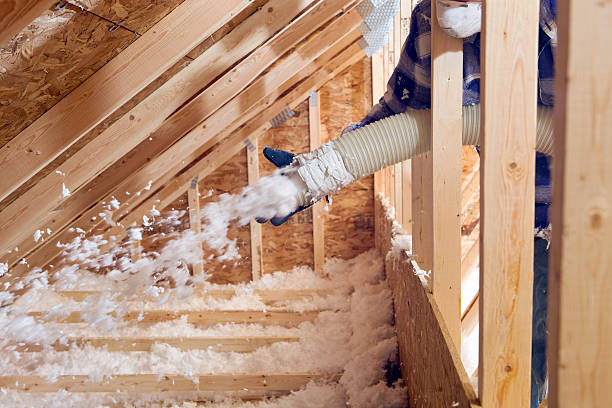
- Install — We blow TAP® insulation into the attic to the recommended depth and coverage.
- Protect — Once installed, TAP® helps provide thermal, acoustical, and pest control benefits in the treated areas.
Why It Matters
Your attic plays a major role in your home’s comfort, energy use, and pest protection. Poor insulation can make your HVAC system work harder, while damaged or contaminated insulation can create odor, health, and pest concerns.
TAP® insulation adds another layer of protection by combining cellulose insulation with a borate-based pest control material. It is designed to kill listed insects and arthropods in the areas where it is applied.
Prevention & Maintenance Tips
Help keep your attic insulation working properly by following these steps:
- Seal rodent and wildlife entry points before replacing insulation
- Repair roof leaks, plumbing leaks, or moisture issues
- Keep attic ventilation clear and functioning properly
- Avoid storing heavy items directly on top of insulation
- Schedule inspections after rodent, wildlife, or moisture problems
- Replace insulation that is heavily contaminated or damaged
- Keep trees trimmed away from the roofline
- Ask about TAP® when upgrading old or underperforming attic insulation
Insulation works best when the attic is dry, sealed, ventilated, and protected from pests.
Product Facts
- TAP® stands for Thermal, Acoustical, and Pest Control.
- TAP® is a loose-fill cellulose insulation.
- TAP® Pest Control Insulation is an EPA-registered pesticide, EPA Reg. No. 89140-1.
- It combines cellulose insulation made from recycled paper with a borate-based pest control material.
- The EPA label describes TAP® as an insect and arthropod control insulation for treated building voids such as attics, walls, between-floors, and crawl spaces.
- TAP® works after listed insects or arthropods contact the product.
TAP® is not a rodent exclusion product. Rodent entry points still need to be sealed separately.
More Information
TAP® Pest Control Insulation is a specialty loose-fill cellulose insulation designed to provide three benefits in one product: thermal insulation, acoustical improvement, and pest control. The name TAP® comes from those three functions: Thermal, Acoustical, and Pest Control.
As a thermal product, TAP® helps slow heat transfer through the attic. In Southeast Texas, attic heat can have a major impact on indoor comfort. When attic insulation is thin, settled, missing, or damaged, rooms may feel hotter in summer, colder in winter, or uneven from one part of the home to another. Adding properly installed blown-in insulation can help improve comfort and reduce strain on the HVAC system.
As an acoustical product, TAP® can also help reduce sound transfer. Cellulose insulation has density and fiber structure that can help dampen noise. This can be useful for homeowners who notice outside noise, rain noise, street noise, or general sound transfer through attic areas.
The pest control benefit is what makes TAP® different from standard attic insulation. TAP® is treated with a borate-based pest control material and is registered with the EPA as a pesticide. According to the EPA product label, TAP® is intended to prevent infestations of listed insects and arthropods in building voids where the product is applied, such as attics, walls, between-floors, and crawl spaces.
Borates are mineral-based compounds used in certain pest control and wood protection products. In TAP® insulation, the borate material is built into the insulation itself. When listed pests contact the treated insulation, the product can affect them. This makes TAP® especially useful in attic spaces where insects may travel, hide, or enter from exterior openings.
TAP® is not a substitute for all pest control services. It does not seal holes, remove rodents, repair damaged vents, stop wildlife entry, or replace the need for exclusion. If rodents, squirrels, raccoons, or other animals are entering the attic, those entry points should be found and sealed. If insulation has been contaminated with droppings, urine, nesting material, or moisture, removal may be recommended before new insulation is installed.
TAP® is best viewed as part of a broader attic protection plan. A complete approach may include attic inspection, rodent or wildlife exclusion, removal of contaminated insulation, sanitation when needed, sealing entry points, and then installation of TAP® insulation.
Professional installation matters because attic insulation needs the right depth, coverage, and placement to perform properly. Gaps, compressed areas, blocked ventilation, or uneven coverage can reduce performance. A trained team can evaluate the attic, recommend whether old insulation should stay or be removed, and install TAP® correctly.
For homeowners dealing with aging insulation, pest activity, rodent contamination, or poor attic performance, TAP® can be a smart upgrade. It improves insulation value, helps reduce sound, and adds a pest control benefit in one installation.

Gustavo from Stephen Terry Services came to inspect my property for possible issues. He was prompt, polite and most of all honest. I will definitely use this company in the future
~ A. Rountree