

Services
Bed Bug Control

Polite, professional, respectful of property. He was in and out in no time. Great job!
Brief Description
Bed bugs are small, flat insects that feed on blood while people and animals sleep. They hide in mattresses, furniture, baseboards, cracks, luggage, and other tight spaces near resting areas.
Stephen Terry Pest Elimination provides professional bed bug inspections and treatment options for homes, apartments, rental properties, and businesses in Pasadena, Deer Park, La Porte, Baytown, Southeast Houston, and surrounding areas.
Signs of Infestation
You may have bed bugs if you notice:
- Small reddish-brown bugs on mattresses, furniture, or walls
- Dark spots or stains on sheets, mattresses, or box springs
- Tiny white eggs or eggshells in cracks and seams
- Shed skins near beds, furniture, or baseboards
- Small blood spots on bedding
- Itchy bites that appear after sleeping
- A musty odor in heavier infestations
- Increased activity around beds, couches, recliners, or luggage
Bites alone do not always confirm bed bugs. A professional inspection can help identify whether bed bugs are present and where they are hiding.
Control Process
Our bed bug control process is designed to find the activity, treat the hiding spots, and help prevent the problem from spreading.
- Inspect — We check beds, furniture, baseboards, cracks, seams, and nearby resting areas.
- Identify — We look for live bed bugs, eggs, shed skins, staining, and other evidence.
- Prepare — We explain what needs to be done before treatment, such as reducing clutter or laundering certain items.
- Treat — We target the areas where bed bugs hide, travel, and reproduce.
- Follow Up — We recommend follow-up service when needed, especially for heavier infestations.
Why It Matters
Bed bugs are not known to spread disease, but they can cause itching, irritation, stress, and loss of sleep. They can also spread from room to room or travel with luggage, furniture, clothing, and personal items.
Because bed bugs hide so well and reproduce over time, early professional treatment can help keep the infestation from becoming larger, more expensive, and more disruptive.
Prevention Tips
Help reduce the risk of bed bugs by following these steps:
- Inspect hotel beds, headboards, and furniture when traveling
- Keep luggage off beds and floors when staying away from home
- Wash and dry travel clothing on high heat when possible
- Be cautious with used mattresses, couches, and furniture
- Reduce clutter around sleeping areas
- Vacuum cracks, baseboards, and furniture seams regularly
- Use protective mattress and box spring encasements
- Call a professional if you see signs of bed bugs
Prevention helps, but bed bugs are difficult to eliminate once established without professional treatment.
Pest Facts
- Bed bugs are wingless and cannot fly or jump.
- They are excellent hitchhikers and often spread through luggage, furniture, clothing, and personal belongings.
- Bed bugs can live for several months without a blood meal.
- Adults and young bed bugs both need blood meals.
- Bed bugs are attracted to body heat, carbon dioxide, and human scent.
- A female bed bug can lay eggs in hidden cracks and seams, making infestations hard to find early.
- Bed bugs are not a sign of a dirty home. They can happen anywhere people rest or sleep.
More Information
The common bed bug, Cimex lectularius, is the species most often associated with infestations in the United States. Another species, Cimex hemipterus, is more common in tropical and subtropical regions but can also be involved in human infestations. Both species belong to the family Cimicidae.
Bed bugs are ectoparasites, which means they live near a host and feed on the outside of the body. They are not like fleas or lice that usually stay on a host. Instead, bed bugs hide close to where people sleep or rest, then come out to feed when conditions are right.
A bed bug’s life cycle includes the egg stage, five immature nymph stages, and the adult stage. Nymphs look like smaller versions of adult bed bugs, but they are lighter in color before feeding. Each nymph stage needs a blood meal before it can molt and grow into the next stage. Adults also feed on blood and can continue reproducing when conditions are favorable.
Bed bugs are usually active at night, but they can bite during the day if people are resting nearby. They often hide in mattress seams, box springs, bed frames, headboards, couches, recliners, baseboards, electrical outlets, picture frames, luggage, and cracks in furniture or walls. In heavier infestations, they may spread farther from the original sleeping area.
Bed bug infestations often begin when bugs are carried into a property. Common sources include travel, hotels, apartments, dorms, shared laundry rooms, used furniture, visitors, and items moved from an infested location. Because they are small and flat, bed bugs can hide in places that are easy to overlook.
DIY bed bug treatment is difficult because the insects are excellent at hiding, and eggs can be tucked deep into cracks and seams. Store-bought sprays may kill bed bugs on contact, but they often miss hidden activity. Foggers and bug bombs can also cause bed bugs to scatter deeper into walls, furniture, and other protected areas if used incorrectly.
Successful bed bug control usually requires a combination of inspection, preparation, treatment, and follow-up. The EPA notes that preparation is an important first step before bed bug treatment, and that integrated pest management may include both chemical and non-chemical methods.
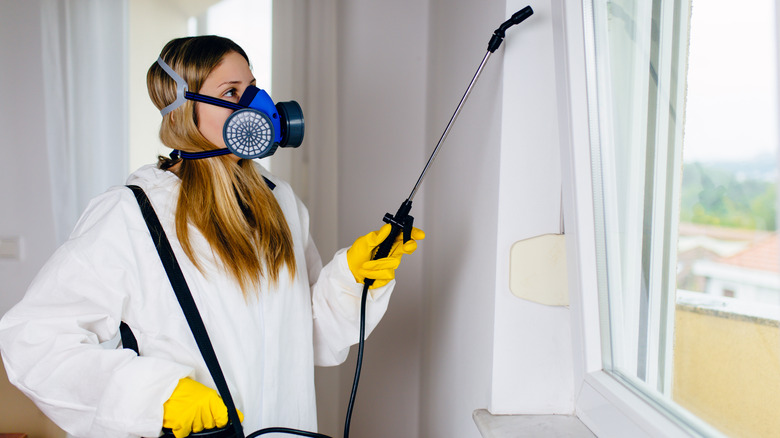
Professional help is important because technicians know where to inspect, how to identify bed bug evidence, how to treat hiding places, and when follow-up service is needed. A professional can also explain what items should be laundered, sealed, vacuumed, moved, or left in place before treatment.
If you think you have bed bugs, avoid moving bedding, furniture, or personal items into other rooms. Moving items can spread the infestation. Instead, take pictures if possible, save a sample if you can do so safely, and call Stephen Terry Pest Elimination for an inspection.
Call Stephen Terry Pest Elimination at 713-477-0047 to schedule a bed bug inspection or treatment for your home, apartment, rental property, or business.

Very professional and friendly. Carlos was right on time and went straight to doing his job. Would definitely recommend him to everyone.
~ Sharon Zlebis