
Services
General Pest Control

Highly Recommend!!!Stephen came out after the termite swarming. Did a thorough inspection of the house and took great care of us.
Brief Description
General pest control helps protect your home from the everyday pests that try to move in throughout the year. In Southeast Texas, warm weather, humidity, rain, and changing seasons can bring ants, roaches, spiders, silverfish, crickets, earwigs, mice, and other occasional invaders indoors.
Stephen Terry Pest Elimination provides general pest control for homes and businesses in Pasadena, Deer Park, La Porte, Baytown, Southeast Houston, and surrounding areas.
Common Pests Covered
General pest control may help with common household pests such as:
- Ants
- Roaches
- Spiders
- Silverfish
- Earwigs
- Crickets
- Millipedes
- Centipedes
- Pill bugs
- Mice
- Occasional invaders
Some pests, such as termites, bed bugs, fleas, mosquitoes, German roaches, wildlife, and heavy rodent infestations, may require specialized treatment plans.
Signs You May Need Pest Control
You may need general pest control if you notice:
- Ant trails in kitchens, bathrooms, or around windows
- Roaches, spiders, or crickets inside the home
- Insects around doors, garages, patios, or light fixtures
- Droppings, webs, shed skins, or insect parts
- Pests showing up after rain, heat, or weather changes
- Increased activity in the garage, attic, kitchen, or bathrooms
- Bugs entering around doors, windows, pipes, or utility lines
- Recurring pest problems even after cleaning or DIY sprays
If pests keep coming back, there may be entry points, moisture issues, food sources, or exterior pressure around the home.
Control Process
Our general pest control process is designed to reduce pest activity inside and help stop pests before they get in.
- Inspect — We check pest activity, entry points, moisture areas, and exterior conditions.
- Identify — We determine what pests are present and where they are coming from.
- Treat — We apply targeted treatment to interior and exterior areas as needed.
- Protect — We focus on the perimeter, cracks, crevices, garages, eaves, and other common pest routes.
- Maintain — We recommend routine service to keep protection active throughout the year.
General pest control works best as an ongoing protection plan, especially in Southeast Texas where pest pressure rarely stops for long.
Why It Matters
Pests are not just annoying. They can contaminate food, damage stored items, create webs and droppings, trigger allergies, bite or sting, and make your home feel uncomfortable.
Many pests start outside and move indoors looking for food, water, shelter, or cooler conditions. A professional pest control plan helps reduce activity around the home before pests become a bigger problem inside.
Prevention Tips
Help reduce general pest problems by following these steps:
- Seal gaps around doors, windows, pipes, and utility lines
- Keep food sealed and clean up crumbs or spills quickly
- Repair leaks and reduce moisture around sinks, tubs, and appliances
- Keep trash cans closed and emptied regularly
- Trim shrubs, grass, and tree limbs away from the home
- Move firewood, cardboard, and clutter away from the structure
- Keep garages, attics, and storage areas organized
- Schedule routine pest control service for year-round protection
Prevention helps, but routine professional service provides a stronger barrier against recurring pest pressure.
Pest Facts
- Many household pests enter through gaps smaller than people expect.
- Ants leave scent trails that help other ants find food.
- Spiders often show up where other insects are already present.
- Silverfish can feed on paper, glue, books, cardboard, and fabrics.
- Crickets and roaches are attracted to moisture, warmth, and shelter.
- Pest activity often increases after heavy rain, extreme heat, or sudden weather changes.
A clean home can still have pest problems if pests have entry points and exterior pressure.
More Information
General pest control is designed to manage common pests that enter homes and businesses throughout the year. In Southeast Texas, pest activity is influenced by warm temperatures, humidity, rainfall, landscaping, construction gaps, moisture, food availability, and seasonal changes.
Unlike a one-time treatment for a single pest, general pest control focuses on ongoing protection. The goal is to reduce pest pressure around the structure, treat areas where pests travel, and help prevent common insects and occasional invaders from becoming established indoors.
Common general pests include ants, spiders, roaches, silverfish, crickets, earwigs, millipedes, centipedes, pill bugs, and other occasional invaders. In some plans, mice may also be included as part of general pest protection. However, pests such as termites, bed bugs, mosquitoes, fleas, German roaches, wildlife, and serious rodent problems usually require specialized inspections and treatment methods.
Most household pests are attracted to three basic needs: food, water, and shelter. Ants may enter kitchens and bathrooms searching for food or moisture. Roaches may hide in cracks, drains, garages, storage areas, or around moisture sources. Spiders often follow insect activity. Silverfish prefer humid, protected areas. Crickets, earwigs, and occasional invaders often move inside during weather changes.
The exterior of the home is usually the first line of defense. Pests may enter through gaps around doors, garage doors, windows, weep holes, vents, plumbing lines, utility penetrations, attic openings, and foundation cracks. Heavy mulch, overgrown shrubs, leaf litter, standing water, wood piles, and clutter near the structure can also increase pest pressure.
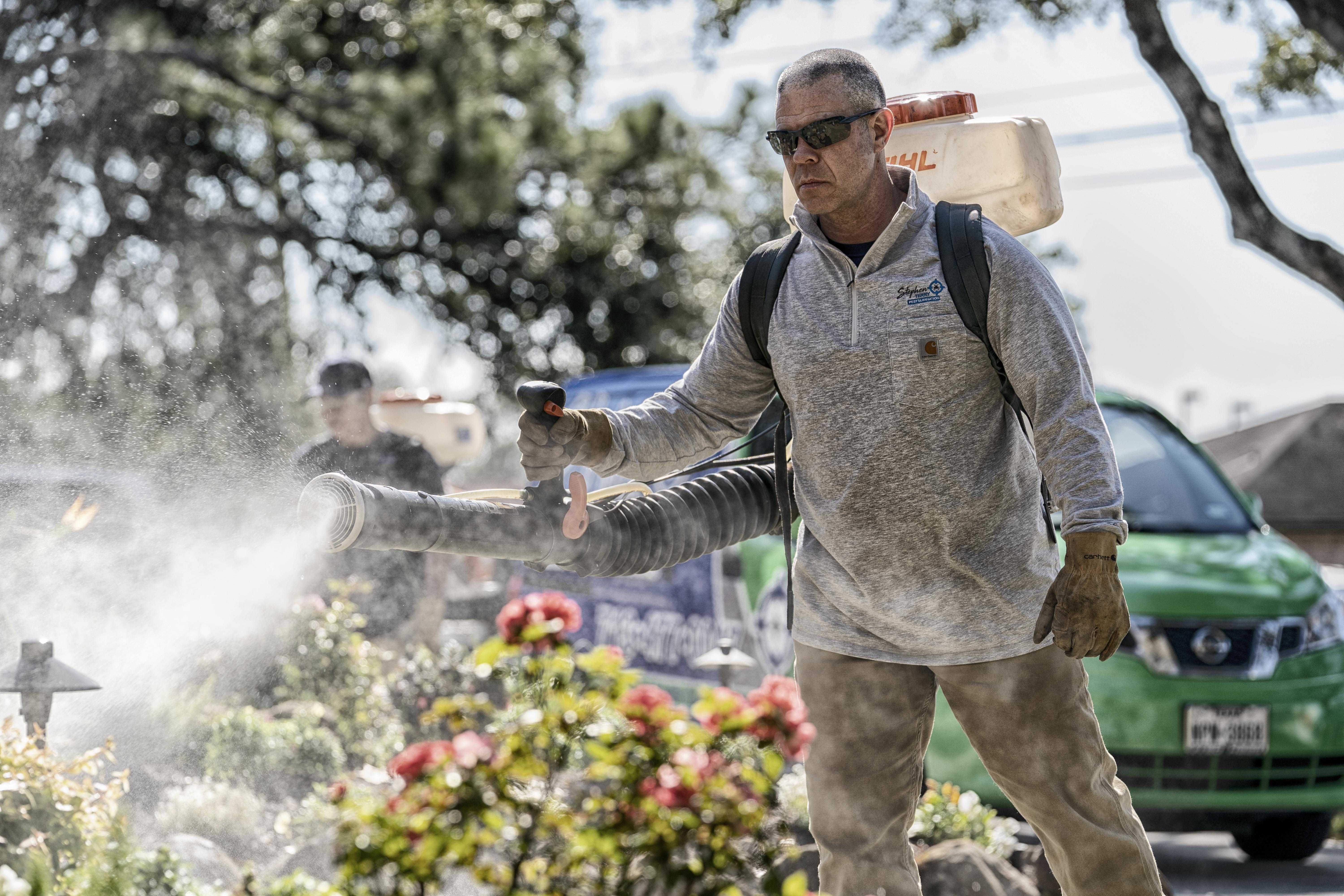
Professional general pest control usually includes an inspection, pest identification, targeted treatment, and recommendations for prevention. Depending on the property and activity level, service may include exterior perimeter treatment, crack-and-crevice treatment, garage treatment, accessible eave or web removal, baiting, dusting, or interior treatment where needed.
Routine service is important because pest control products break down over time and pest pressure changes with the seasons. Rain, irrigation, heat, humidity, and new pest activity can all affect protection. Quarterly service is a common option for maintaining coverage throughout the year.
DIY pest control often provides temporary relief but may not address the source of the problem. Store-bought sprays can kill visible insects, but they may miss nests, entry points, exterior harborage areas, and hidden activity. Some products can also scatter pests or interfere with professional treatments if used incorrectly.
Professional pest control is valuable because trained technicians know how to identify pest activity, select the right treatment method, and apply products in the correct locations. They can also spot conditions that homeowners may overlook, such as moisture problems, pest entry points, vegetation touching the home, or areas where insects are nesting outside.
A good general pest control plan is not just about spraying. It combines inspection, treatment, exclusion recommendations, sanitation guidance, moisture reduction, and routine maintenance. This approach helps protect the home from recurring pest activity and reduces the need for reactive service.

Gustavo from Stephen Terry Services came to inspect my property for possible issues. He was prompt, polite and most of all honest. I will definitely use this company in the future
~ A. Rountree